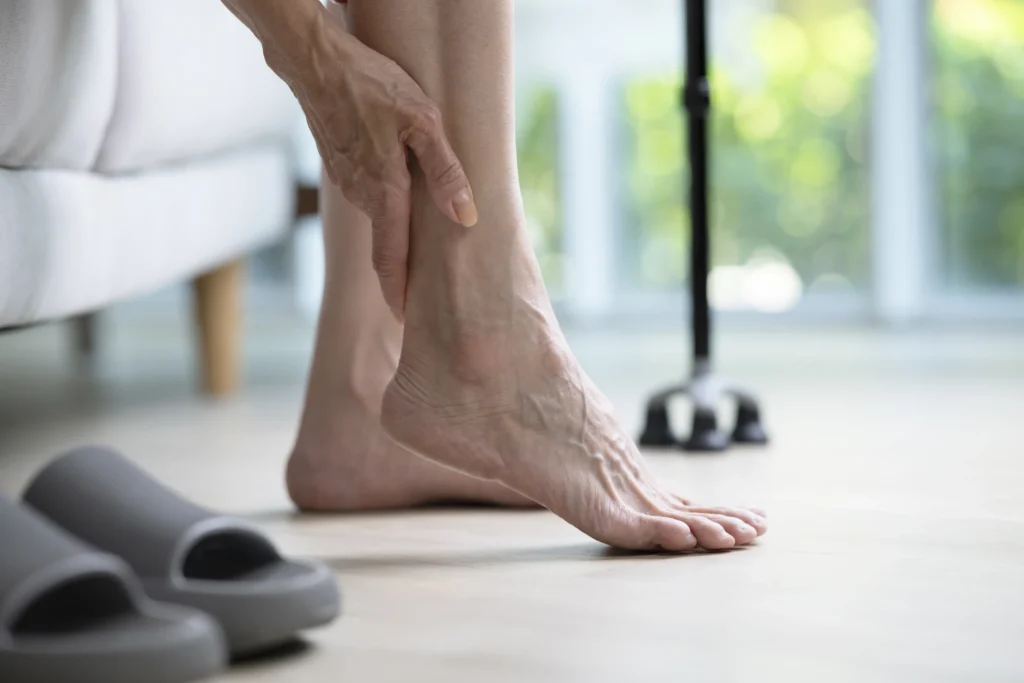
Poor circulation in legs is a common reason people look for answers about leg pain, cold feet, numbness, skin changes, or wounds slow to heal. These symptoms start gradually and may not feel serious. Still, poor blood circulation in legs can point to an underlying vascular condition that needs evaluation.
At Third Coast Vascular in Sheboygan, we look at circulation problems in legs as part of the vascular picture. Symptoms may come from artery disease, vein disease, diabetes related wound concerns, or swelling. Because different vascular problems can cause similar symptoms, a focused vascular evaluation can help identify the cause and guide the right plan.
What Poor Circulation in Legs Means
Circulation is the movement of blood through arteries, veins, and small blood vessels. Arteries carry oxygen rich blood from the heart to the legs and feet. Veins help return blood back to the heart. When blood does not move as well as it should, the legs and feet may not receive enough oxygen and nutrients, or fluid may collect in the lower legs.
Poor circulation in legs is not one diagnosis. It is a symptom pattern that can be related to several conditions. Peripheral artery disease, often called PAD, occurs when narrowed arteries reduce blood flow to the limbs. Venous disease can contribute to leg heaviness, swelling, skin irritation, and wounds near the ankles. Diabetes may add risk because it can affect nerves, blood vessels, and wound healing.
Signs of Poor Circulation in Legs
Poor blood circulation in legs can show up in several ways. One of the most common warning signs is leg pain when walking. This pain may feel like cramping, aching, tightness, or fatigue in the calf, thigh, hip, or buttock. It may improve with rest and return when walking starts again. Researchers have shown that leg symptoms in peripheral arterial disease can vary, which means not every person has the classic pattern of cramping that stops with rest.
Cold feet and poor circulation are also commonly connected. Feet may feel colder than expected, especially when one foot feels colder than the other. Some people notice numbness, tingling, weakness, skin discoloration, slower toenail growth, shiny skin, hair loss on the legs, or weak pulses in the feet.
Slow healing wounds are another important sign. Blood flow is essential for tissue repair. When a cut, blister, sore, or ulcer on the foot or leg does not improve, circulation may be one factor.
Common Causes of Poor Blood Circulation in Legs
Peripheral artery disease is one of the major causes of poor circulation in legs. In PAD, fatty buildup inside the arteries can narrow the space where blood flows. This may reduce circulation to the legs and feet, especially during walking when muscles need more oxygen. Clinical research on lower extremity manifestations of peripheral artery disease describes how PAD can affect leg function, walking ability, and daily activity.
Vein disease is another common cause of circulation problems in legs. In this case, the issue is usually not blood getting down to the legs, but blood returning back toward the heart. When vein valves do not work well, blood can pool in the legs. This may lead to swelling, heaviness, varicose veins, skin changes, itching, and venous ulcers.
Diabetes can also play a major role. Diabetes may damage nerves, reduce protective sensation in the feet, and increase the risk that small injuries become larger wounds. Risk factors can include smoking, age, diabetes, high cholesterol, high blood pressure, and family history.
Leg Pain When Walking and PAD
Leg pain when walking is one of the most important symptoms to recognize. Many people assume leg pain is only related to joints, muscles, or aging. Those causes are possible, but vascular causes should also be considered when pain appears during activity and improves with rest.
PAD related pain happens because working muscles need more oxygen than narrowed arteries can deliver. The discomfort may appear after walking a certain distance, climbing stairs, or walking uphill. Some people reduce activity without realizing they are adjusting their routine around symptoms. Over time, PAD can become less obvious because the person is no longer walking far enough to trigger pain.
Our PAD treatment page explains that peripheral artery disease can cause leg cramping, leg pain, coldness in the feet or hands, skin discoloration, and slower hair or toenail growth.
Cold Feet and Poor Circulation
Cold feet can have many causes, but cold feet and poor circulation may be related when the symptom is persistent, unequal between feet, or paired with numbness, color changes, pain, or wounds. Reduced arterial blood flow can make the feet feel cold because less warm blood reaches the tissues.
It is important not to rely on temperature alone. Some people with circulation problems have pain, weakness, skin changes, or wounds without dramatic coldness. Others may have cold feet from non vascular causes. A vascular evaluation can help clarify whether blood flow is part of the problem.
Why Evaluation Matters
Poor circulation in legs should be evaluated when symptoms persist, worsen, affect walking, or occur with non healing wounds. Evaluation may include a medical history, physical exam, pulse check, and vascular ultrasound to understand blood flow. The goal is to identify whether symptoms are related to artery disease, vein disease, wound healing problems, or another cause.
At Third Coast Vascular, our vascular disease care includes diagnostic services to assess vascular health and identify conditions that may cause pain, swelling, cramping, sores, ulcers, discoloration, tingling, or numbness.
Treatment Options for Poor Circulation in Legs
Treatment for poor blood circulation in legs may include lifestyle changes, medications, compression therapy, wound care, or minimally invasive vascular procedures. The right plan depends on whether the main issue involves arteries, veins, wounds, diabetes, or several factors together.
For PAD, treatment may include walking programs, smoking cessation, cholesterol management, blood pressure management, diabetes control, medications, and procedures to improve blood flow when appropriate. For vein disease, treatment may include compression, movement, leg elevation, skin care, and vein procedures when conservative care is not enough. For wounds, care may include cleaning, dressings, pressure relief, infection management, and vascular evaluation to support healing.
When to Schedule a Vascular Evaluation
A vascular evaluation is appropriate when poor circulation in legs causes ongoing leg pain when walking, cold feet, numbness, tingling, skin discoloration, weak pulses, swelling, or wounds that do not heal. It is also important for people with diabetes, smoking history, high cholesterol, high blood pressure, or known vascular disease.
Poor circulation symptoms are not always obvious, and they are not always caused by the same condition. We evaluate these symptoms so patients can understand what is happening and what treatment options may be appropriate. If leg circulation symptoms persist, worsen, or appear with wounds that do not heal, scheduling a vascular evaluation is a practical next step.